
TDS Return Filing
Get your TDS Return Filing starts @ ₹8,499 Only!
- Lowest Price Guarantee
- Quick and Hassle-Free Process
- Incorporation Certificate in 7 Days
- Expert Assistance Without the Hassle
Get Expert Consultation
TDS Return Filing Online – Types, Eligibility, Forms, Due Dates, Process & Penalties
Filing TDS returns is a crucial compliance requirement under the Income Tax Act, ensuring transparency and proper reporting of taxes deducted at source. TDS is applicable on payments such as salaries, professional fees, rent, property transactions, interest, and contractor payments. The deduction must be made either at the time of credit to the payee’s account or at the time of payment—whichever occurs earlier.
Timely and accurate TDS return filing helps avoid penalties, ensures proper tax credit to deductees, and strengthens compliance efficiency for both deductors and recipients.
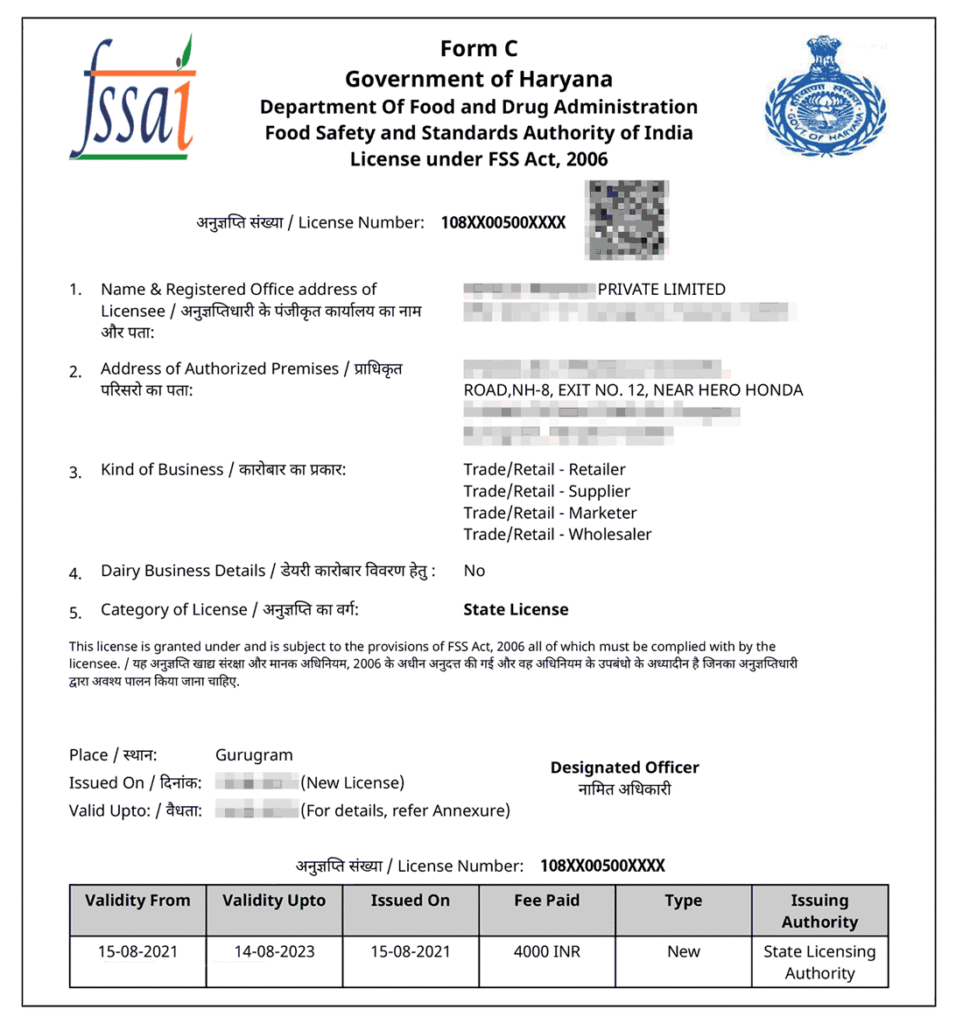
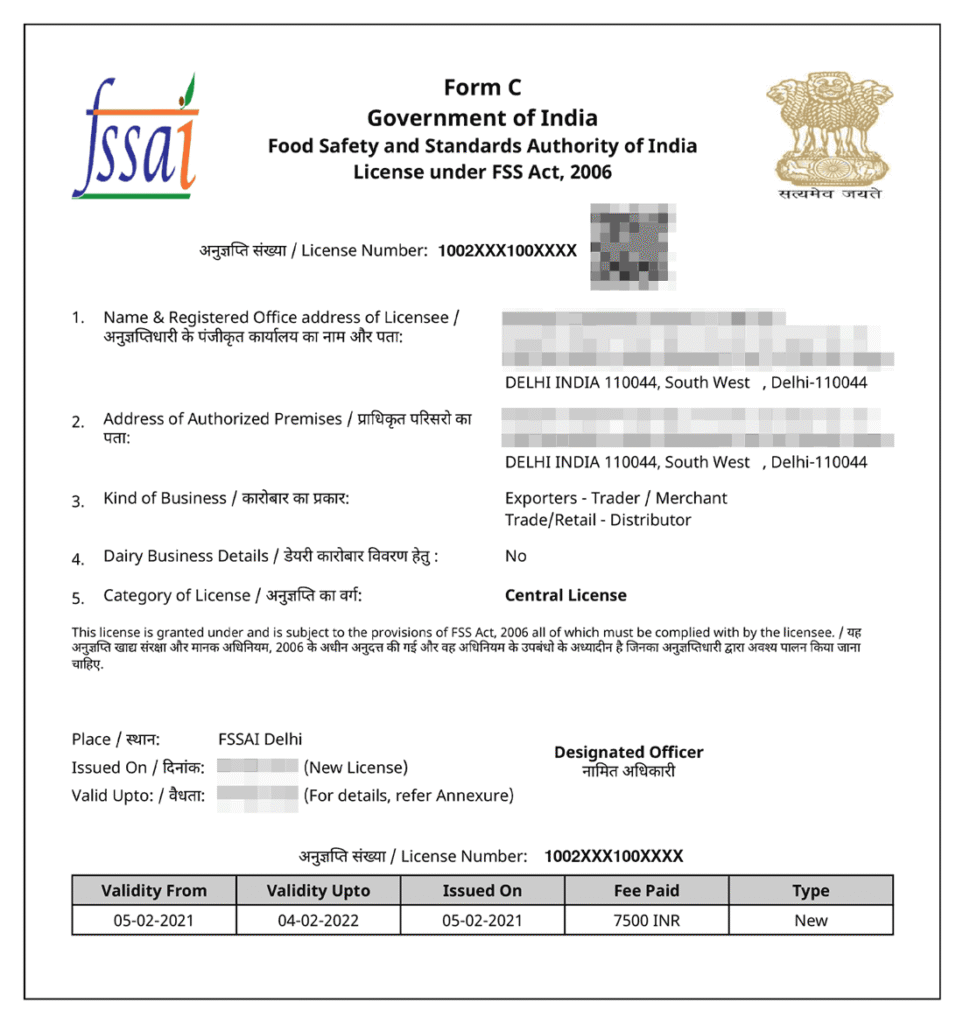
TDS Return Filing [Sample]

What is a TDS Return?
A TDS Return is a quarterly statement submitted by the deductor to the Income Tax Department. It summarizes all TDS deductions and payments made during a specific quarter.
Normally, the income recipient is liable to pay tax. However, through the Tax Deducted at Source (TDS) mechanism, the government ensures advance tax collection. The payee receives the net income after TDS, while the deducted tax is adjusted against their final tax liability when filing returns.
Information Required to File TDS Returns
To file a TDS return online, the following details are required:
- PAN of both deductor and deductee
- TAN (Tax Deduction and Collection Account Number) of deductor
- Amount of TDS paid to the government
- TDS challan details
- Date of credit/payment of transaction
- Income amount on which TDS was deducted
- Applicable TDS rate
What is a TDS Certificate?
A TDS Certificate is issued by the deductor to the deductee, confirming that tax has been deducted at source.
| Form | Purpose | Frequency | Due Date |
|---|---|---|---|
| Form 16 | TDS on salary payments | Yearly | 31st May |
| Form 16A | TDS on non-salary payments | Quarterly | Within 15 days of due date TDS return filing |
| Form 16B | TDS on sale of property | Event-based | Within 15 days of due date TDS return filing |
| Form 16C | TDS on rent payments | Event-based | Within 15 days of due date TDS return filing |
Types of TDS Returns
There are 4 main types of TDS return forms:
- Form 24Q – TDS on Salary (Section 192)
- Filed quarterly by employers deducting TDS on employee salaries.
- Includes two annexures:
- Annexure I: Deductor, deductee, and challan details (filed every quarter).
- Annexure II: Complete salary details (filed only in Q4).
- Annexure I: Deductor, deductee, and challan details (filed every quarter).
- Filed quarterly by employers deducting TDS on employee salaries.
- Form 26Q – TDS on Non-Salary Payments
- Filed for payments such as professional fees, interest, dividends, and director remuneration.
- Applicable under Sections 193, 194, and 200(3).
- Only one annexure is required (deductor, deductee, and challan details).
- Filed for payments such as professional fees, interest, dividends, and director remuneration.
- Form 27Q – TDS on Payments to Non-Residents
- Filed for interest, dividends, or other payments made to NRIs/foreign entities.
- Must be submitted quarterly.
- Non-government deductors must provide PAN, while government deductors mention “PANNOTREQD.”
- Filed for interest, dividends, or other payments made to NRIs/foreign entities.
- Form 27EQ – TCS (Tax Collected at Source)
- Filed quarterly under Section 206C.
- Mandatory to mention TAN.
- Reflects tax collected by sellers on specific goods/services.
- Filed quarterly under Section 206C.
TDS Return Filing Due Dates (FY 2021-22)
| Quarter | Period | Due Date |
|---|---|---|
| 1st Quarter | 1st April – 30th June | 31st July 2021 |
| 2nd Quarter | 1st July – 30th September | 31st October 2021 |
| 3rd Quarter | 1st October – 31st December | 31st January 2022 |
| 4th Quarter | 1st January – 31st March | 31st May 2022 |
Penalties for Late or Incorrect TDS Return Filing
Failure to file TDS returns on time attracts late fees and penalties:
- Late Filing Fee (Section 234E): ₹200 per day until return is filed (subject to a maximum of total TDS amount).
- Penalty (Section 271H): Ranges from ₹10,000 to ₹1,00,000 for:
- Filing after 1 year from due date.
- Furnishing incorrect TDS details.
- Filing after 1 year from due date.
Note: The penalty under Section 271H is in addition to the late filing fee under Section 234E.
Step-by-Step Process of Filing TDS Returns Online
- Fill Form 27A – Verification form for TDS returns.
- Match Tax Deducted with challan details.
- Provide TAN of deductor.
- Prepare e-TDS file using NSDL utility/software.
- Submit TDS Return online via TIN-FC or upload to the Income Tax portal.
- Receive Receipt/Rejection Memo for acknowledgment.
Benefits of TDS
- Prevents tax evasion by ensuring tax is deducted in advance.
- Promotes timely and efficient tax collection.
- Brings a wider population under the tax net.
- Provides steady revenue to the government.
- Prevents tax evasion by ensuring tax is deducted in advance.
TDS Return Correction Statement
If a return contains errors (incorrect TAN, challan number, or PAN), the deductor must file a correction statement. A single statement per TAN is required for each quarter.
Why Choose Clarvex for TDS Return Filing?
At Clarvex, we simplify TDS compliance with expert-led solutions. Our services ensure error-free, timely filing while minimizing risks of penalties. Whether you are a business, employer, or individual deductor, our team ensures hassle-free management of your TDS responsibilities.
Why Clarvex?
- One-Stop Corporate Compliance Solution
- PAN India Services
- Free Expert Assistance
- Google-Verified Business
- Dedicated Support Team
- Money-Back Guarantee
Frequently Asked Questions (FAQs)
Q1. What is a TDS return?
A TDS return is a quarterly statement filed by deductors, reporting all TDS deductions made during that quarter.
Q2. What is the difference between 24Q and 26Q?
- Form 24Q is for TDS deducted on salaries.
- Form 26Q is for TDS deducted on non-salary payments.
Q3. What is 26Q TDS return?
Form 26Q is filed quarterly for TDS deductions on non-salary payments like professional fees, dividends, and interest.
Q4. Why is filing a TDS return important?
Filing TDS returns ensures compliance, avoids penalties, and helps deductees claim tax credits.